Blog
Your weekly dose of wonder, charting the frontiers of space.
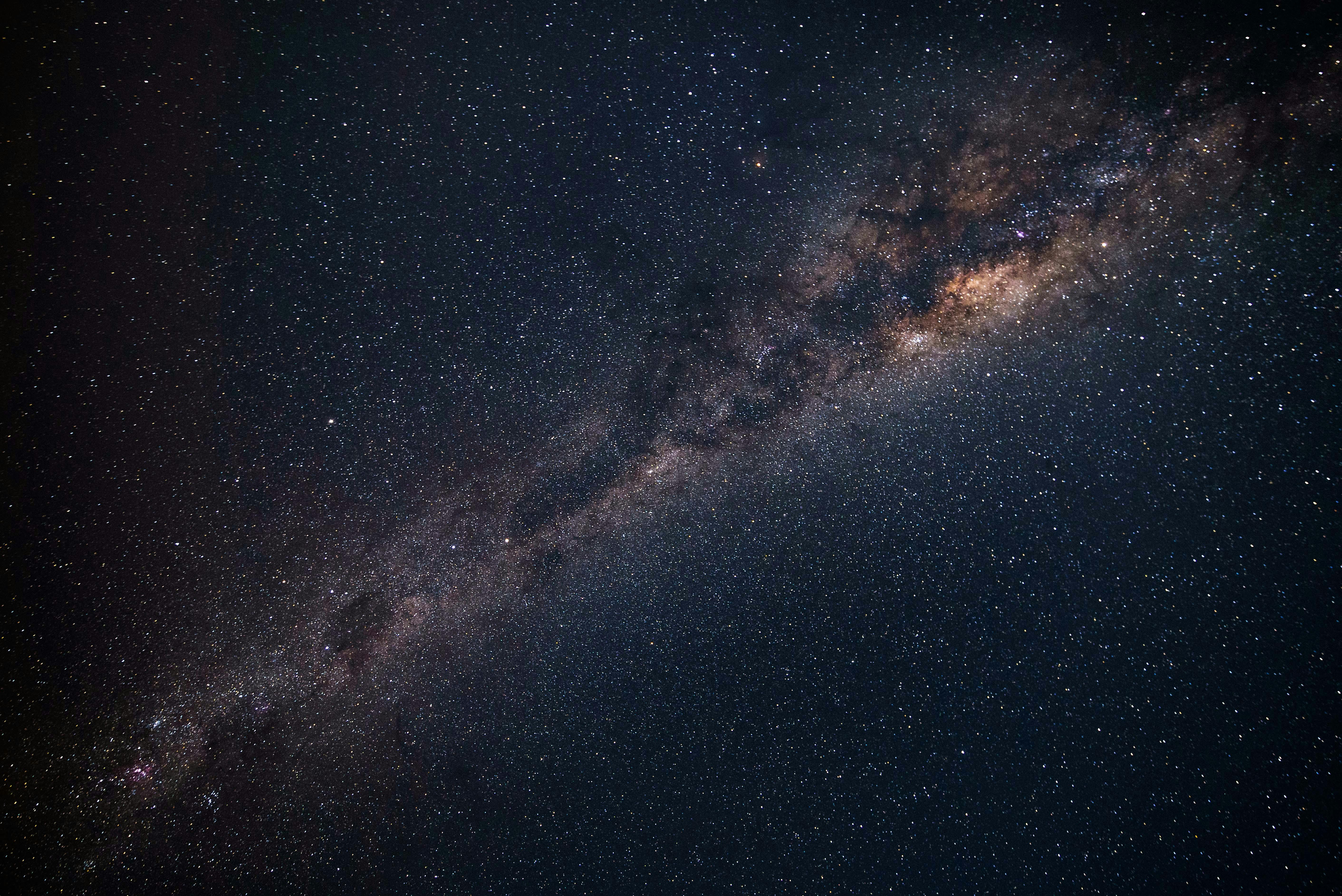
It's a question as old as stargazing itself: how many stars fill our home galaxy? While a precise count is impossible, scientists use incredible methods to estimate this cosmic number. From measuring the galaxy's mass to charting star types, the answer is truly astronomical.

More Stories
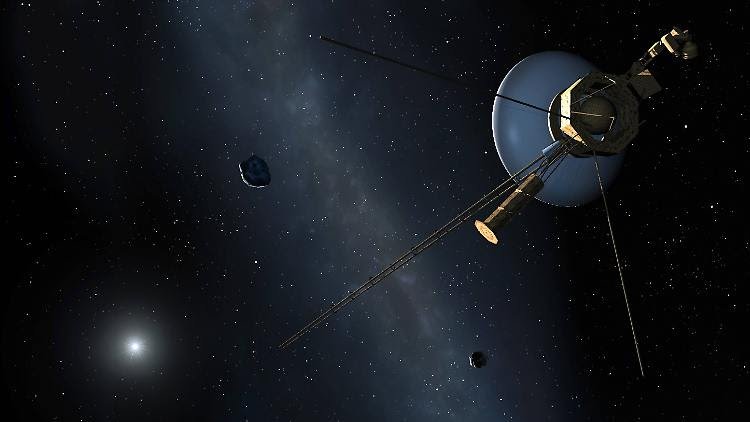
A Mote of Dust: The Story of the Pale Blue Dot
In 1990, at Carl Sagan's request, Voyager 1 turned its camera for a final look at Earth. The resulting image, a single pixel in a sunbeam, became a profound symbol of our place in the universe, challenging our perspective and sense of self-importance.

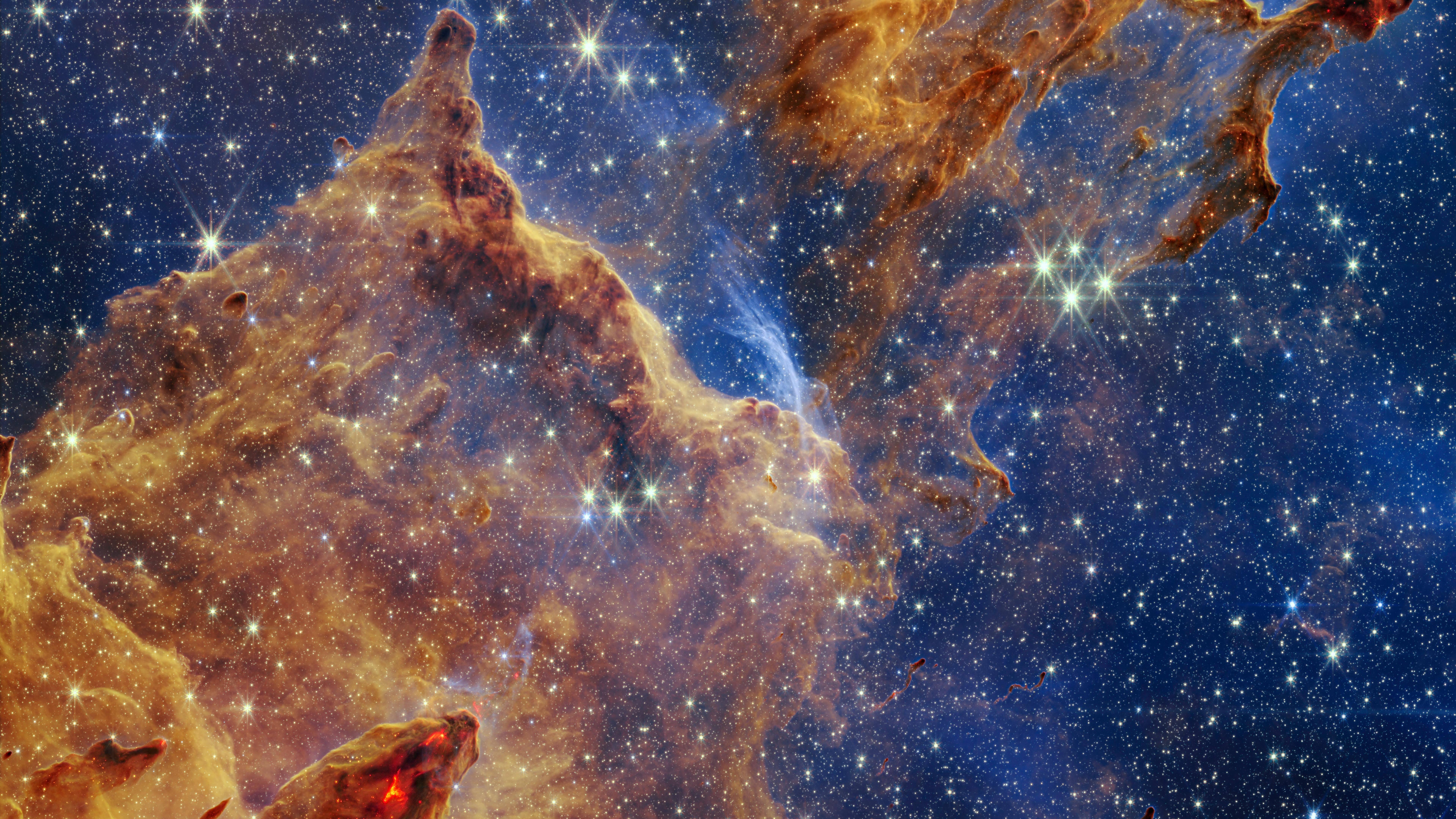
Cosmic Ghosts: The Past, Present, and Future of the Pillars of Creation
One of the most iconic images in astronomy, the Pillars of Creation, is a stellar nursery where new stars are born. But these celestial giants are also ephemeral, being carved away by radiation and possibly already destroyed by a long-past supernova.

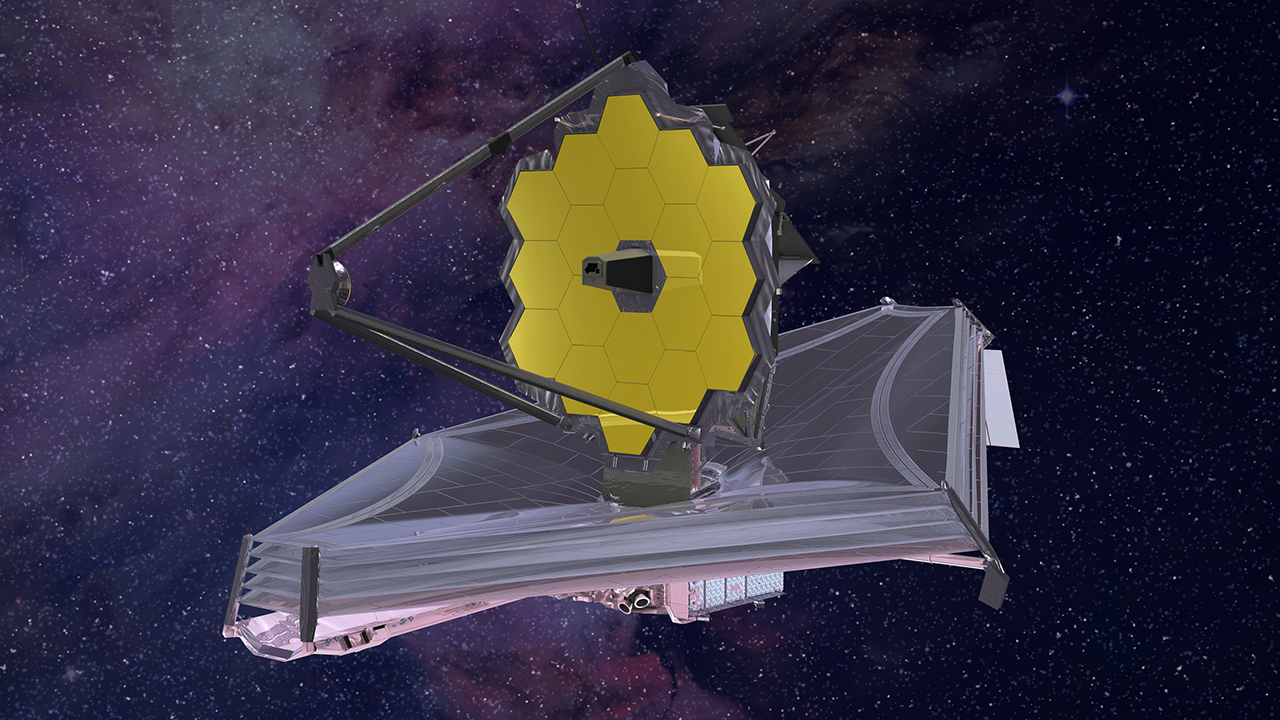
A New Eye on the Universe: Why the JWST is a Game-Changeray
More than just a successor to Hubble, the James Webb Space Telescope is an infrared marvel engineered to see the unseen. It peers back to the dawn of time, unveils hidden star births, and analyzes the air of distant worlds, revolutionizing our place in the cosmos.
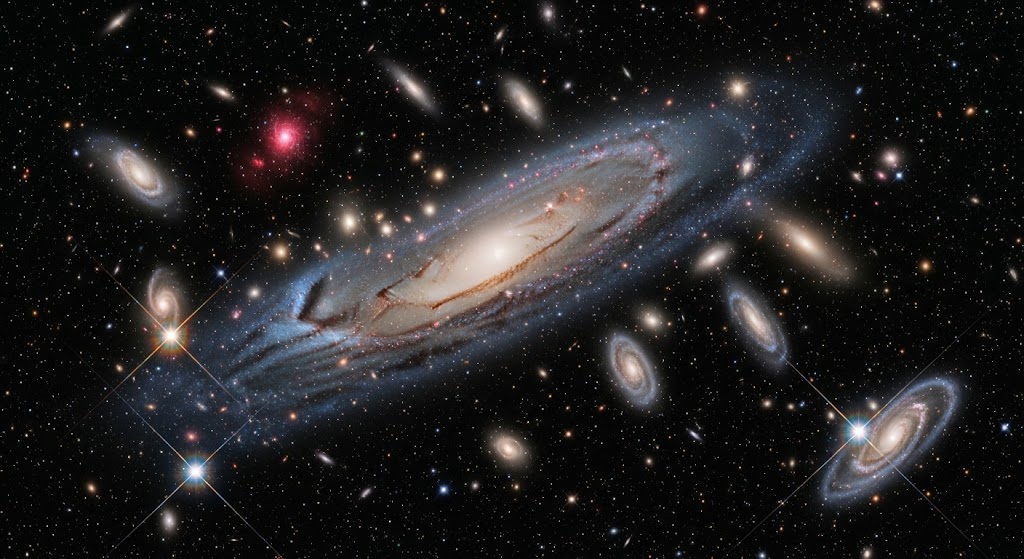
Fermi Paradox: Where are they?
If the universe is so vast, and life should be common, why haven’t we encountered any aliens yet? The Fermi Paradox explores this haunting question.

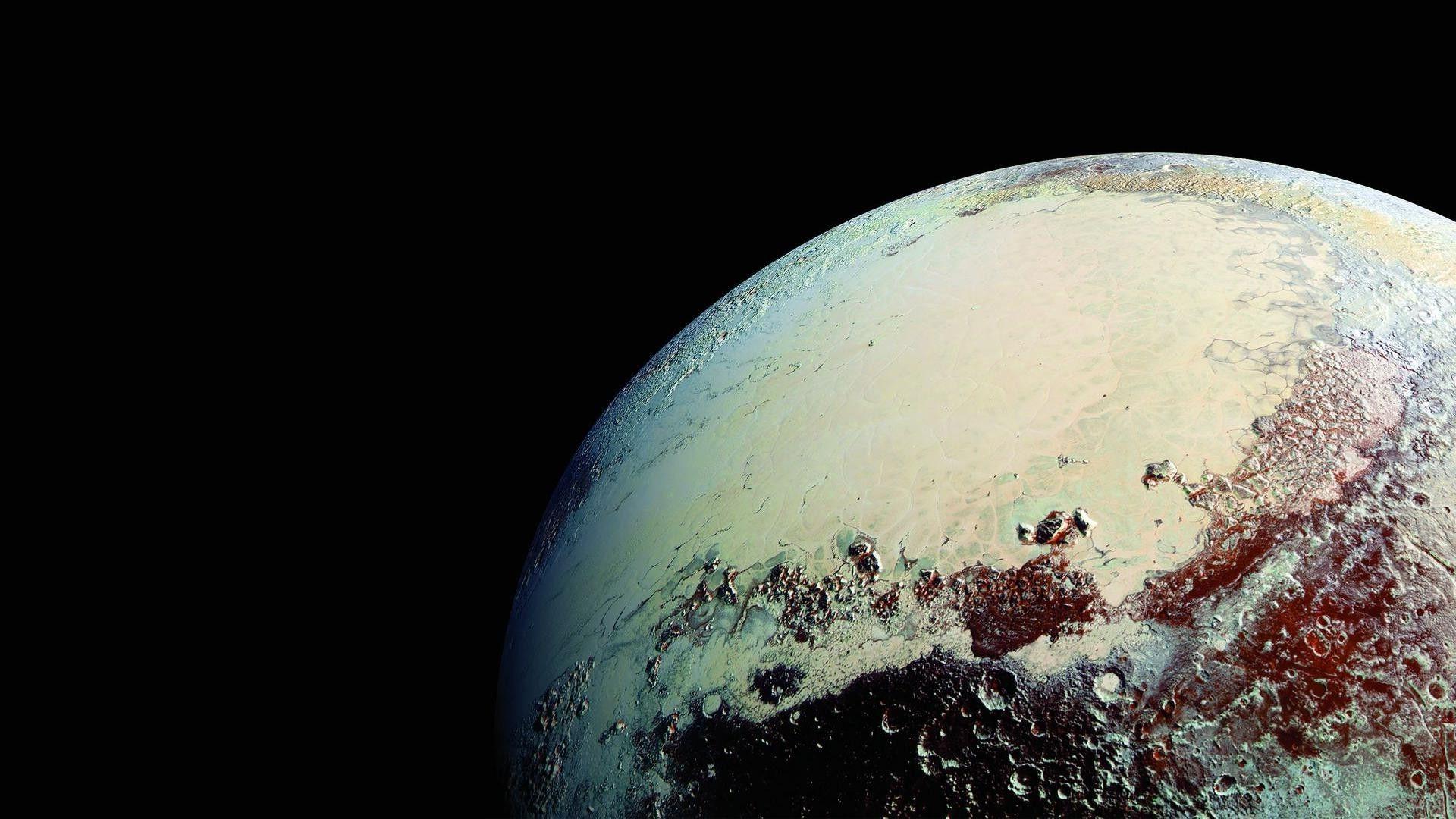
Pluto: Planet or Not? The Cosmic Controversy
Once the beloved ninth planet, Pluto's status has been a subject of intense debate among astronomers and the public alike. From its discovery in 1930 to its reclassification in 2006, the story of Pluto challenges our very definition of what it means to be a planet and reflects the dynamic nature of scientific understanding.
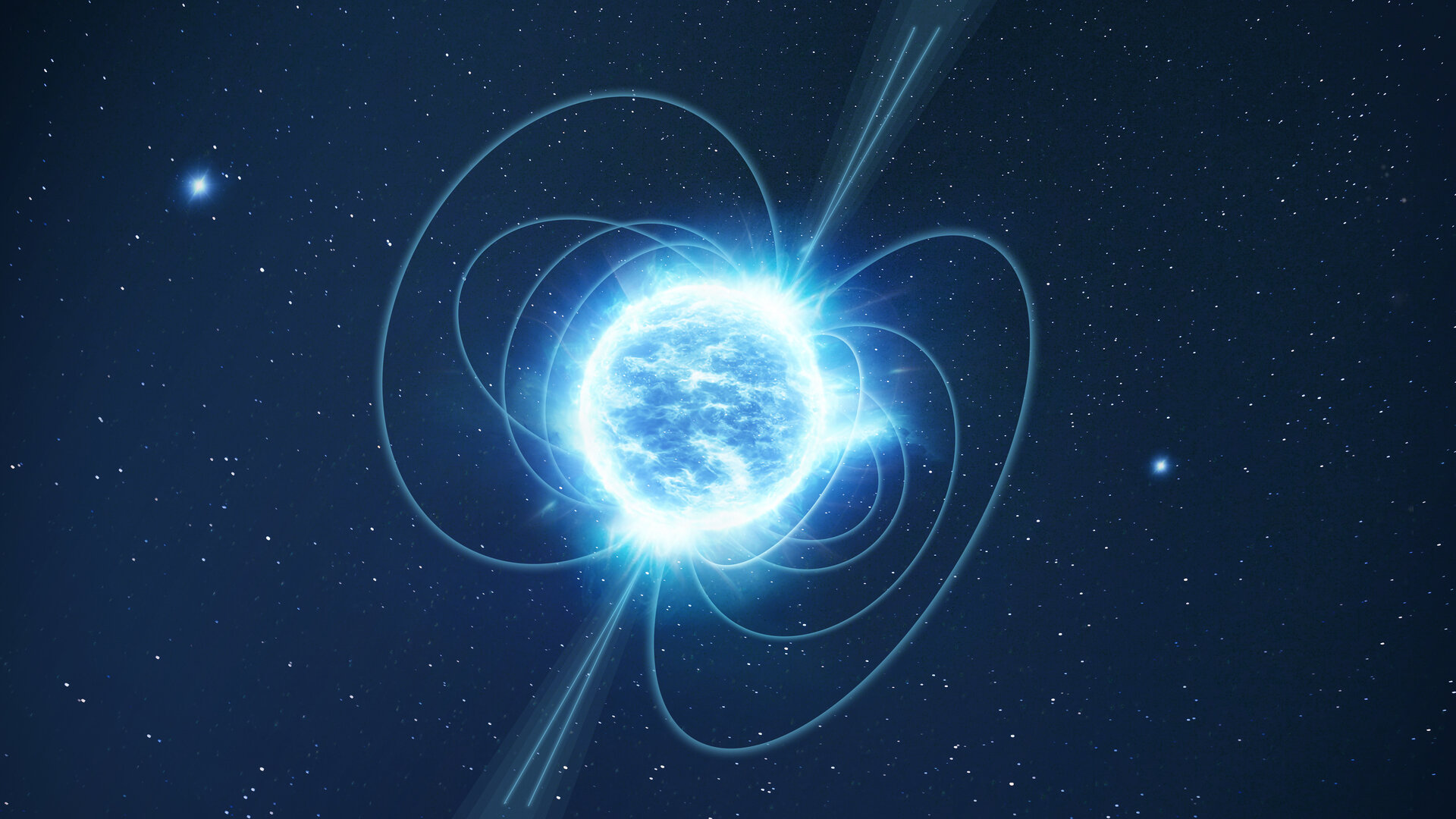
Cosmic Lighthouses: The Ultra-Dense Remnants of Stars
Imagine a city-sized object with more mass than our sun, spinning hundreds of times a second. These are neutron stars, the universe's densest objects. Born from the fiery death of stars, these cosmic beacons sweep powerful beams of radiation across the galaxy, challenging our understanding of matter at its most extreme.
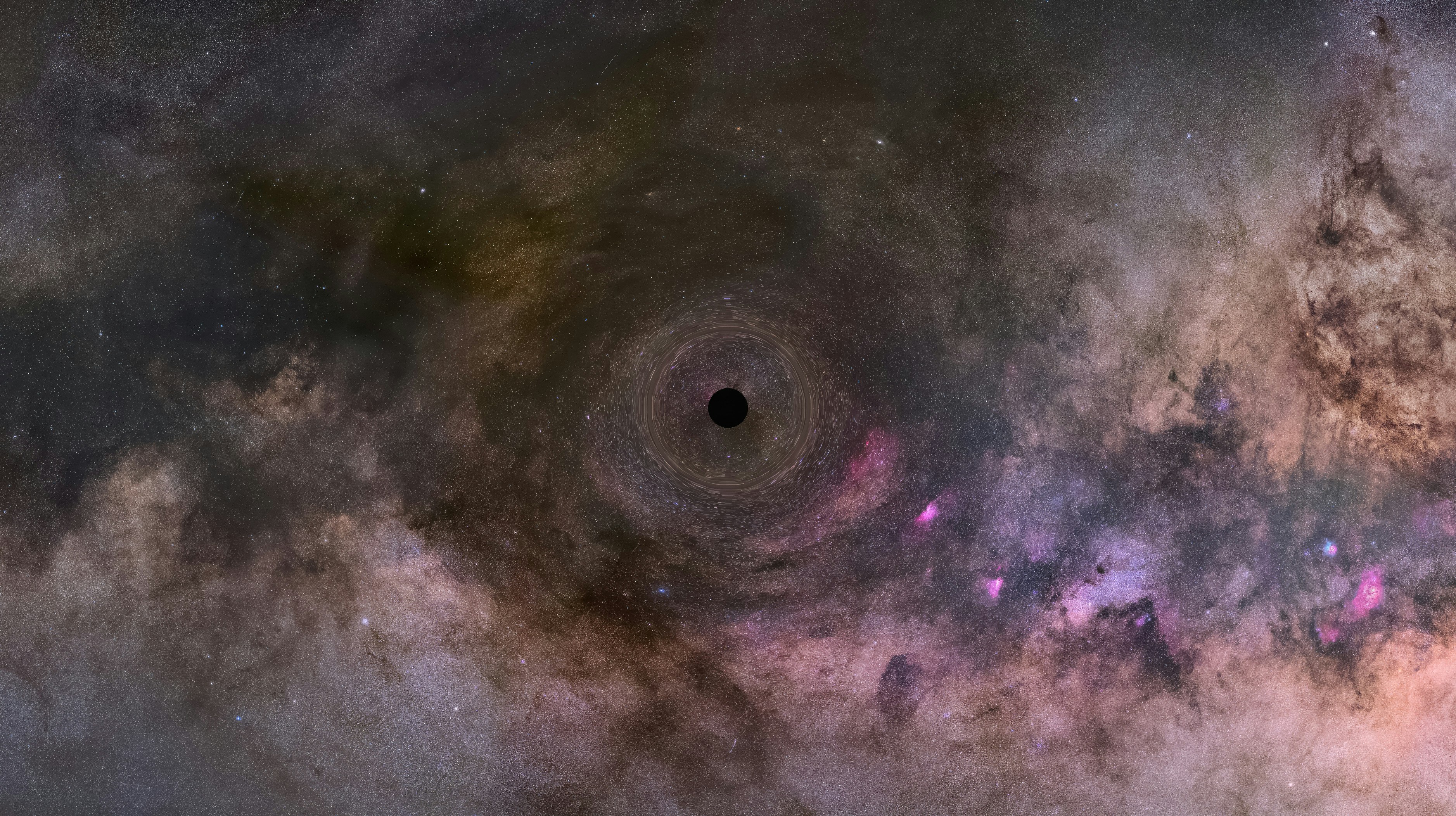
Into the Void: A Primer on Nature's Strangest Objects
Black holes are the universe's ultimate trapdoors, regions of spacetime where gravity is so intense that nothing can escape. Born from collapsed stars, these cosmic enigmas warp reality itself and challenge our understanding of physics. Let's explore what lies beyond the event horizon.